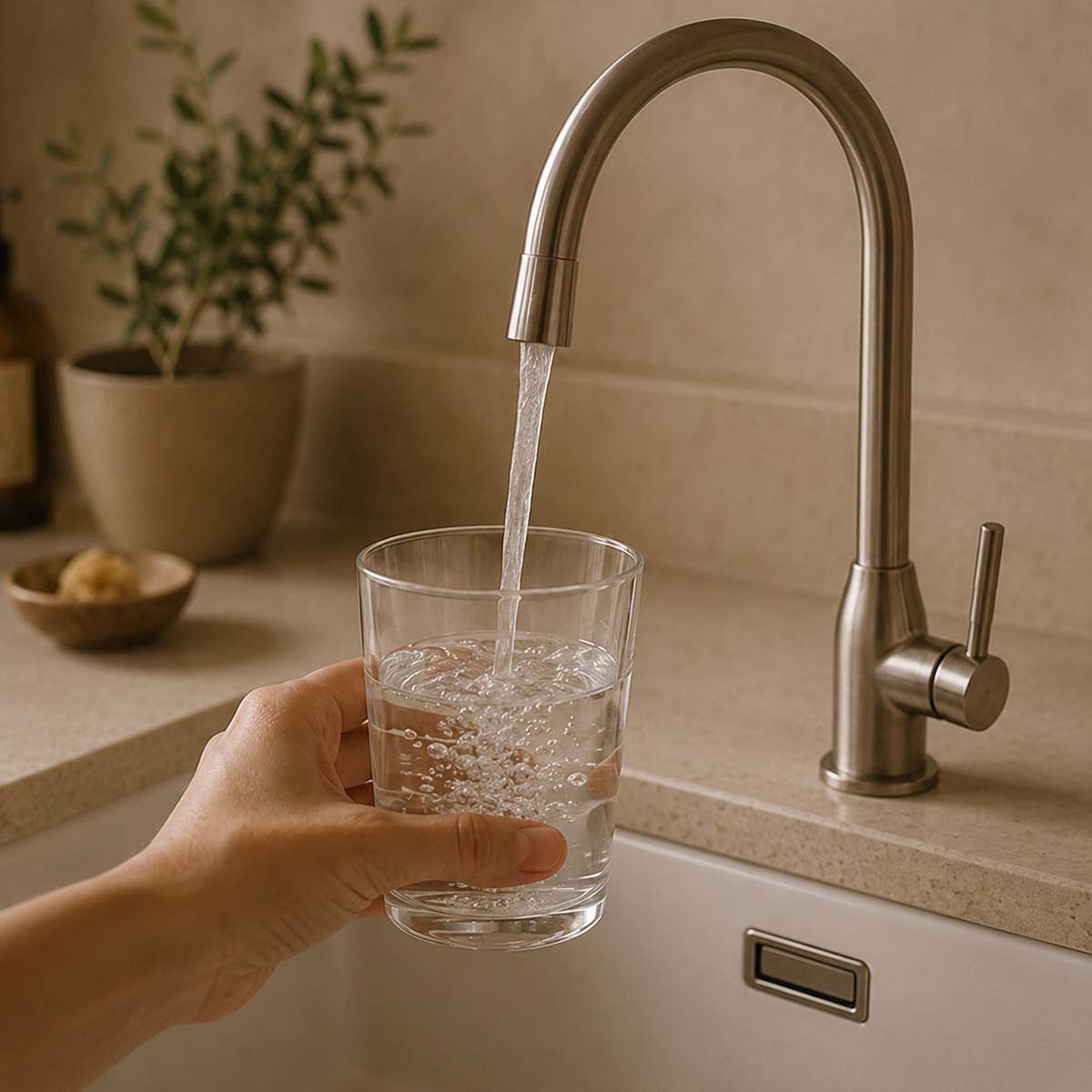
In the dynamic and fascinating world of water filtration, it's not always easy to navigate such a wide range of options. To buy the ideal reverse osmosis system for you, you need to ask the right questions. The purpose of this article is to guide you through 6 essential questions to help you choose the optimal reverse osmosis system for your needs.
If you're still not sure if you want a reverse osmosis filter, check out our article on the fundamentals of reverse osmosis.
Question 1: What is the quality of the water I want to filter?
Your tap water comes from the highly controlled network. This is an incredible privilege that we benefit from. On your supplier's website, you'll find comprehensive analyses. Select your supplier from the list below and enter your postcode to access the quality analysis of your water.
Wallonia:
Brussels:
Flanders:
Question 2: Direct flow or tank reverse osmosis system?
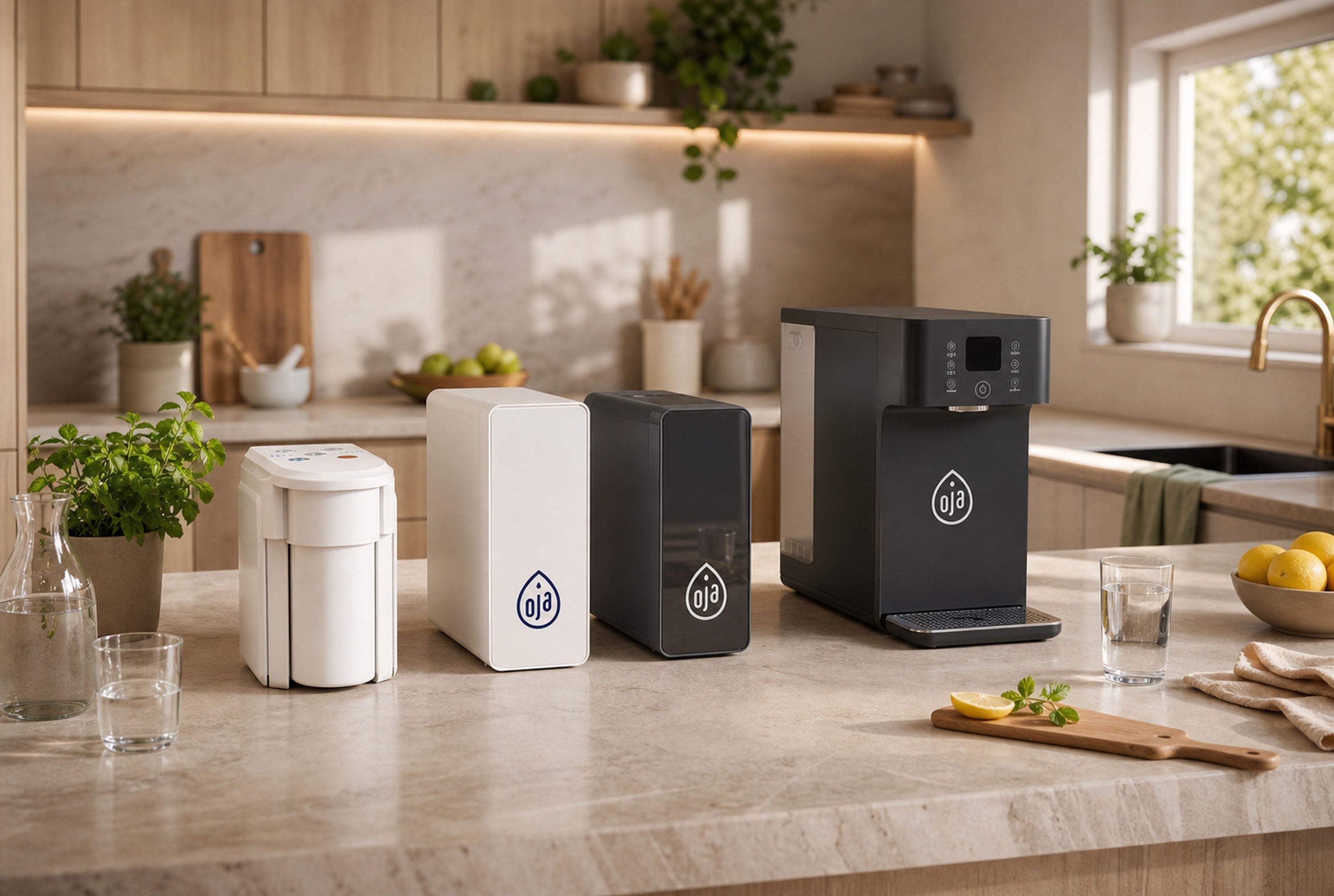
A reverse osmosis system can supply a tank or directly your tap, known as direct flow.
Advantages of direct flow:
- No stagnation: stagnant water in the tank promotes bacterial growth after 3 days. Direct flow guarantees optimal quality.
- Space-saving: no tank means significant space-saving under your sink.
- Flow rate: a powerful direct flow reverse osmosis system produces up to 3 l/minute, compared to 2.5 l/minute from a tank.
Disadvantages of direct flow:
- More expensive: the system requires a more powerful pump and a large membrane.
- Variable flow rate: a less powerful model may produce less than 2.5 l/minute.
Consult our product comparison for better guidance, or download our under-sink reverse osmosis system comparison (PDF).
Question 3: How many filtration stages are necessary?
Reverse osmosis systems often vary from 3 to 8 filtration stages.
| # | Type | Name | Efficiency | Filtered elements |
|---|---|---|---|---|
| 1 | Pre-filter | PP – Polypropylene | 5 µm | Sand, rust, fine sediments |
| 2 | Pre-filter | GAC – Granular Activated Carbon | 1 µm | Fine sediments |
| 3 | Pre-filter | CTO – Carbon Block | 0.5 µm | Bacteria |
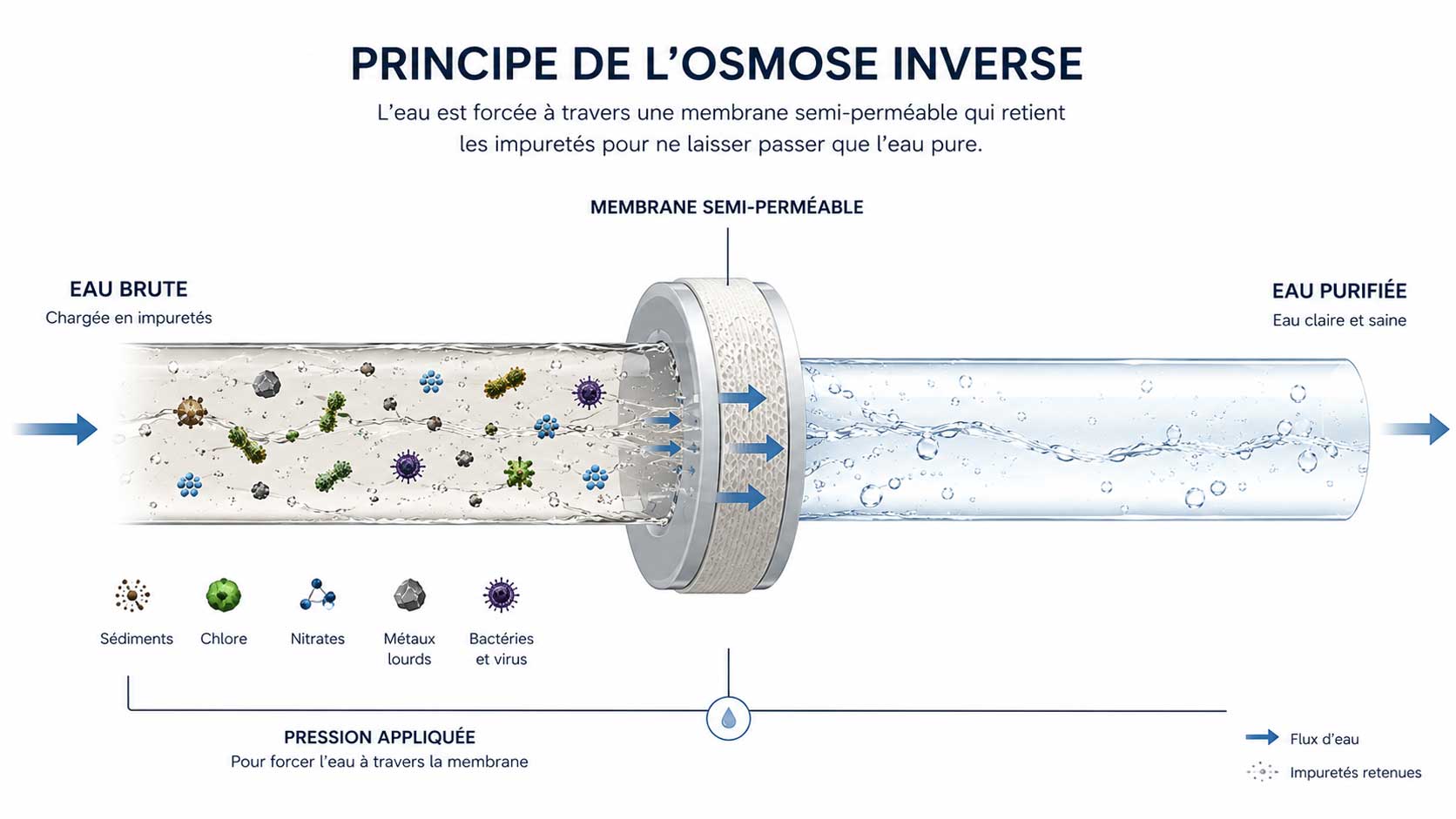
| 4 | Osmosis | Osmotic membrane | 0.0001 µm | Bacteria, viruses, heavy metals, pesticides, PFAS, nitrates |
| 5 | Post-filter | Activated carbon | Taste & odors | Tastes and odors |
| 6 | Supplement | Remineralization | — | Magnesium, calcium, potassium |
| 7 | Supplement | UV lamp | — | Living elements (relevant after stagnation) |
| 8 | Supplement | Alkaline filter | Increases pH | From pH < 7 to 8 < pH < 10 |
More stages don't necessarily mean a better result. The AquaCycle selection favors simple and accessible models, focused on the efficiency of reverse osmosis.
Question 4: How difficult is maintenance?
Depending on the model:
- Direct flow: bayonet filters that can be changed in less than 2 minutes. The LED system automatically indicates when to replace the filters.
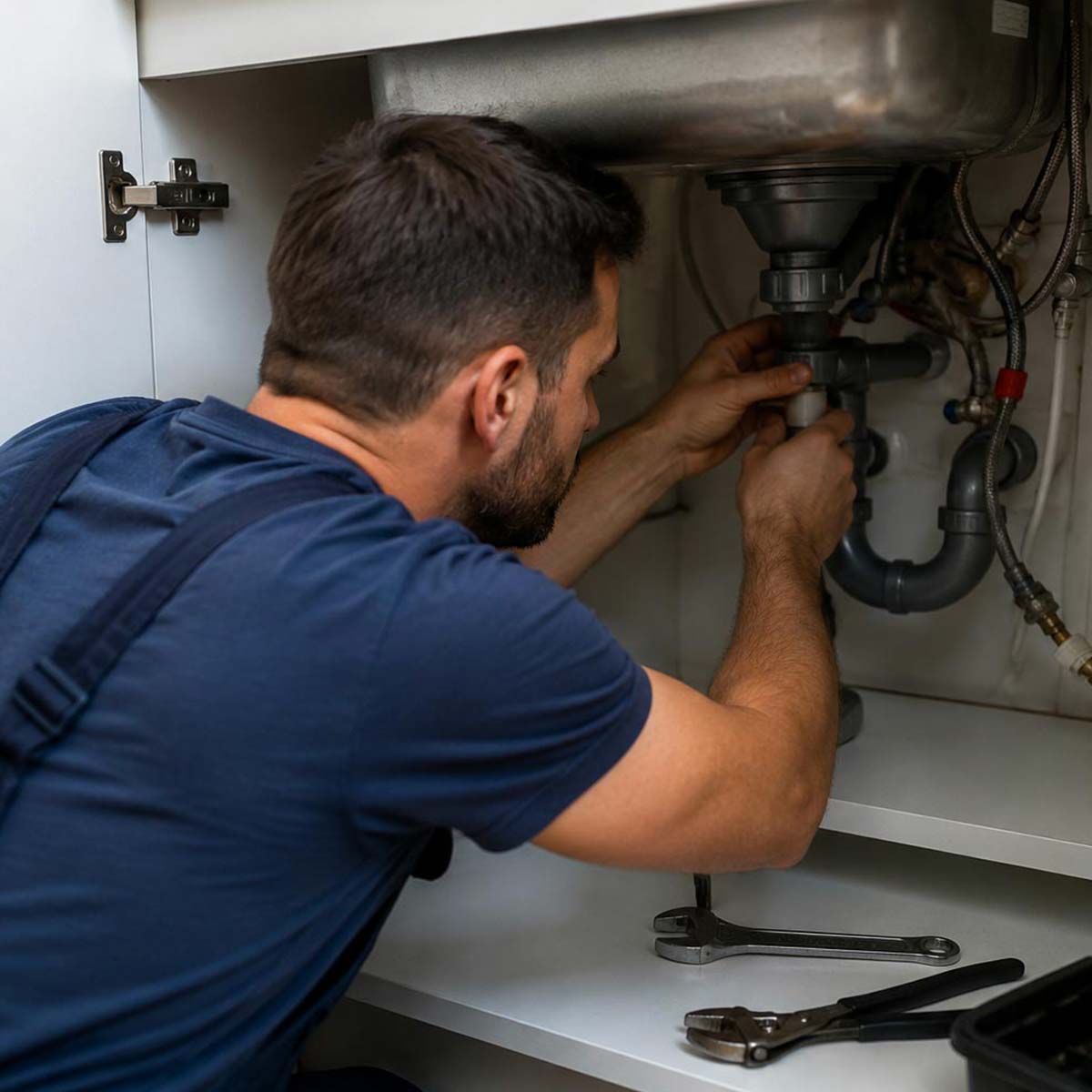
- Tank-based: requires a basic understanding of how it works. Requires 1 to 2 hours per year.
Replacement frequency:
- Pre-filters: every 12 months
- Osmotic membrane: every 24 to 36 months
- Post-filters: every 12 months
When you choose AquaCycle, the maintenance date is recorded in our system, and we provide automatic follow-up.
Question 5: What is the water reject rate of my reverse osmosis system?
An osmotic membrane rinses itself to evacuate filtered contaminants. The pure water/rejected water ratio depends on two factors:
- Inlet water pressure: below 3 bar, efficiency drops. Electrified models are equipped with a pump that guarantees ideal performance.
- Size of the osmotic membrane: a larger membrane allows for high flow with less reject.
Question 6: What is the total cost of my reverse osmosis system?
Beyond the initial investment, consider maintenance costs. Direct flow reverse osmosis systems have slightly more expensive filters but require no technical knowledge for replacement.
Calculated per liter consumed, the cost of a reverse osmosis system remains much lower than bottled water — not to mention the plastic bottles saved.
Conclusion
A well-chosen reverse osmosis system significantly improves your water quality. If this guide doesn't answer all your questions, contact us — we offer free consultation calls.
Ready to take action? Discover our AquaCycle reverse osmosis systems or use our configurator to find the model suited to your needs.