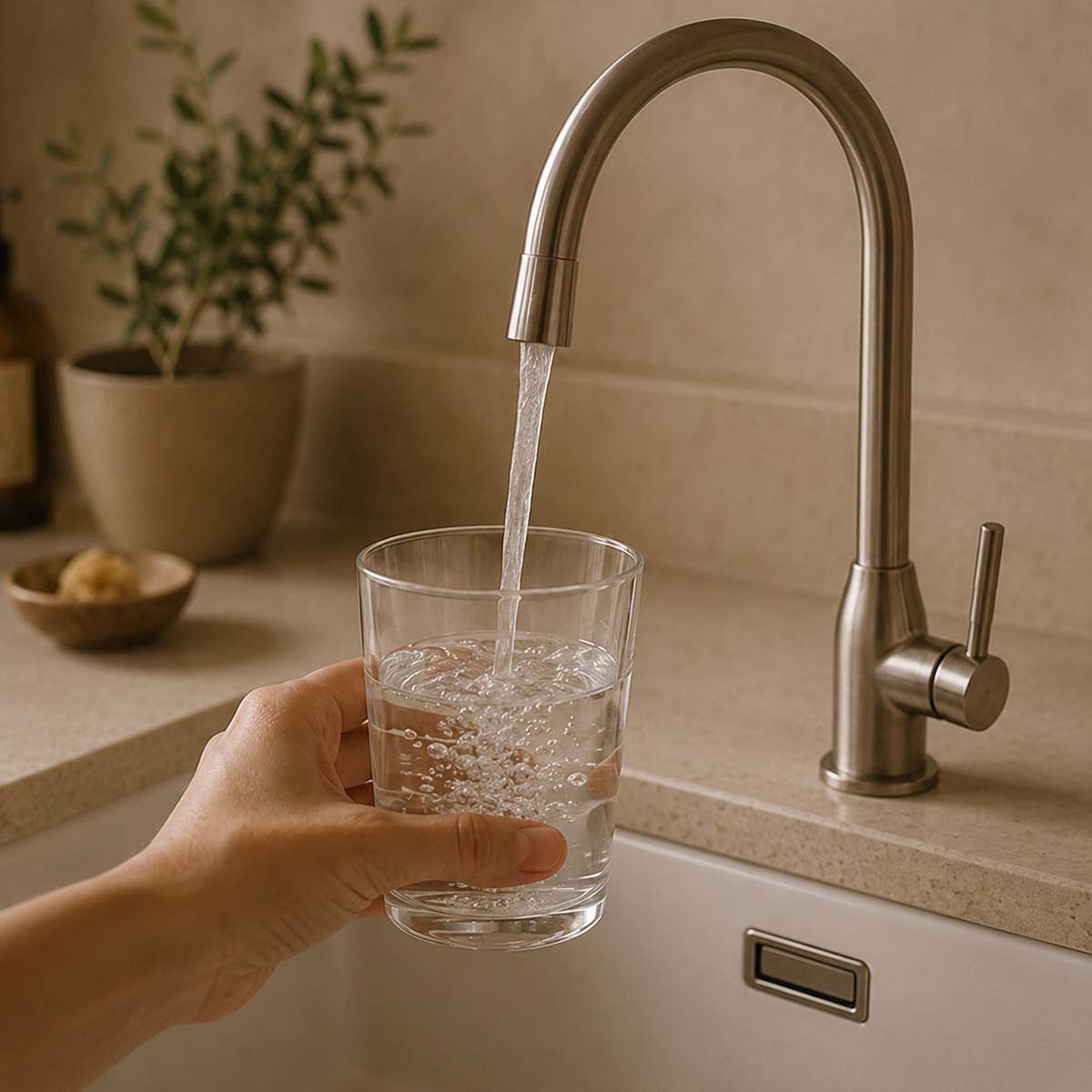

A reverse osmosis system represents an initial investment, and this is often what prevents people from taking action. However, the real question is not just the purchase price, but the actual cost of your drinking water over time.
To evaluate the profitability of a reverse osmosis system, you need to compare two solutions of comparable quality of use: filtered water at home and bottled water.
1. Tap water remains an extremely economical base
A reverse osmosis system is supplied with mains water. Even if tap water is not free, its price remains very low because it mainly covers the costs of abstraction, distribution and sanitation.
In Belgium, even at a high rate of around 0.006 EUR per litre, tap water remains very accessible. By comparison, bottled water bought in packs often costs around 0.68 EUR per litre.
In other words, even before talking about filtration, bottled water can cost more than 100 times the price of tap water.
2. The right comparison: filtered water versus bottled water
Comparing only tap water to bottled water is not enough. The real issue is to compare filtered water, pleasant to drink and designed for daily consumption, to another quality alternative: bottled water.
The economic benefit of reverse osmosis comes from the fact that it combines filtration quality with a very inexpensive starting resource.
3. Assumptions to take into account
To convert the cost of a reverse osmosis system to a cost per litre, a few simple assumptions must be made:
- Average consumption of 1.5 L of drinking water per person per day.
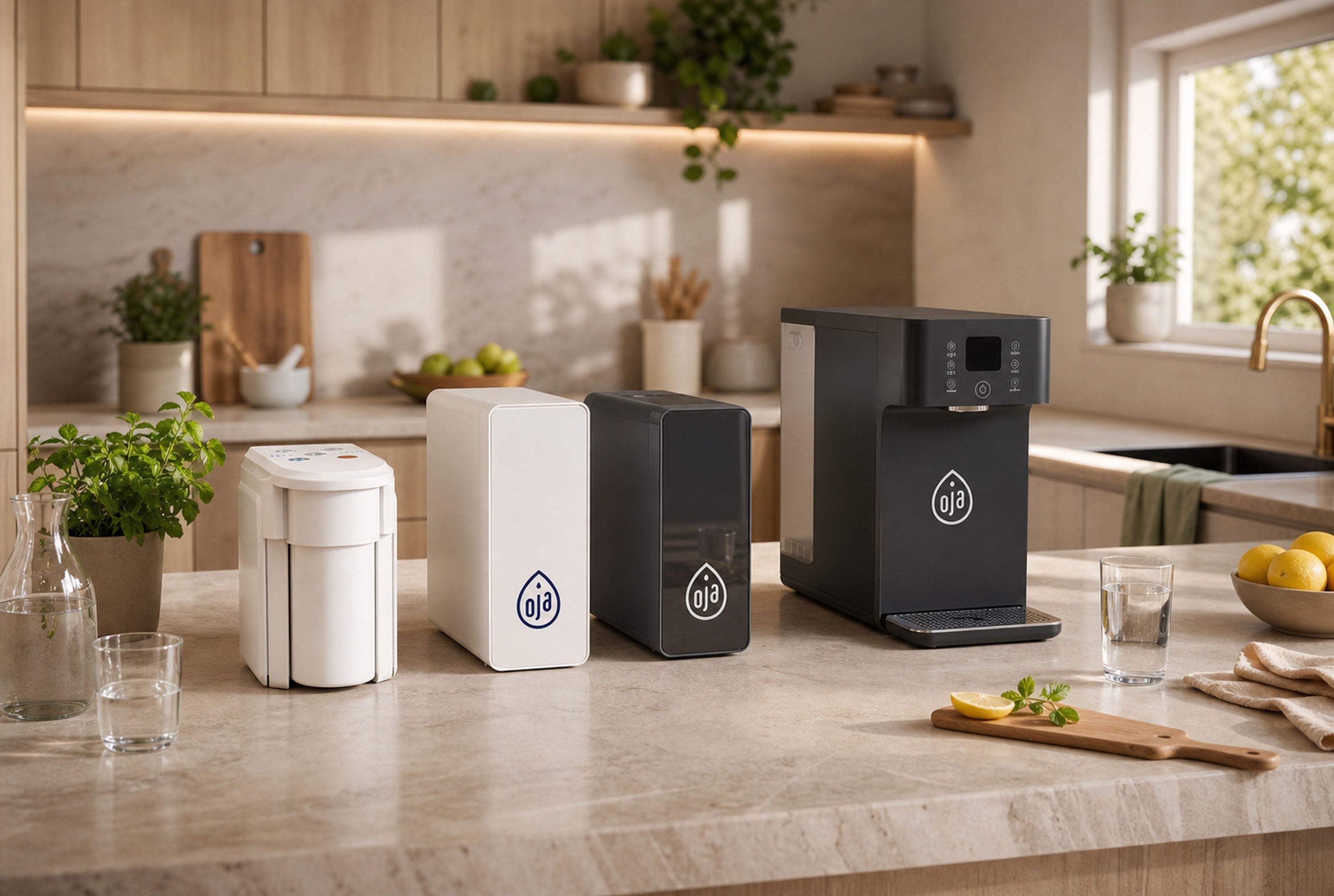
- A mid-range Aquacycle reverse osmosis system at 500 EUR including VAT.
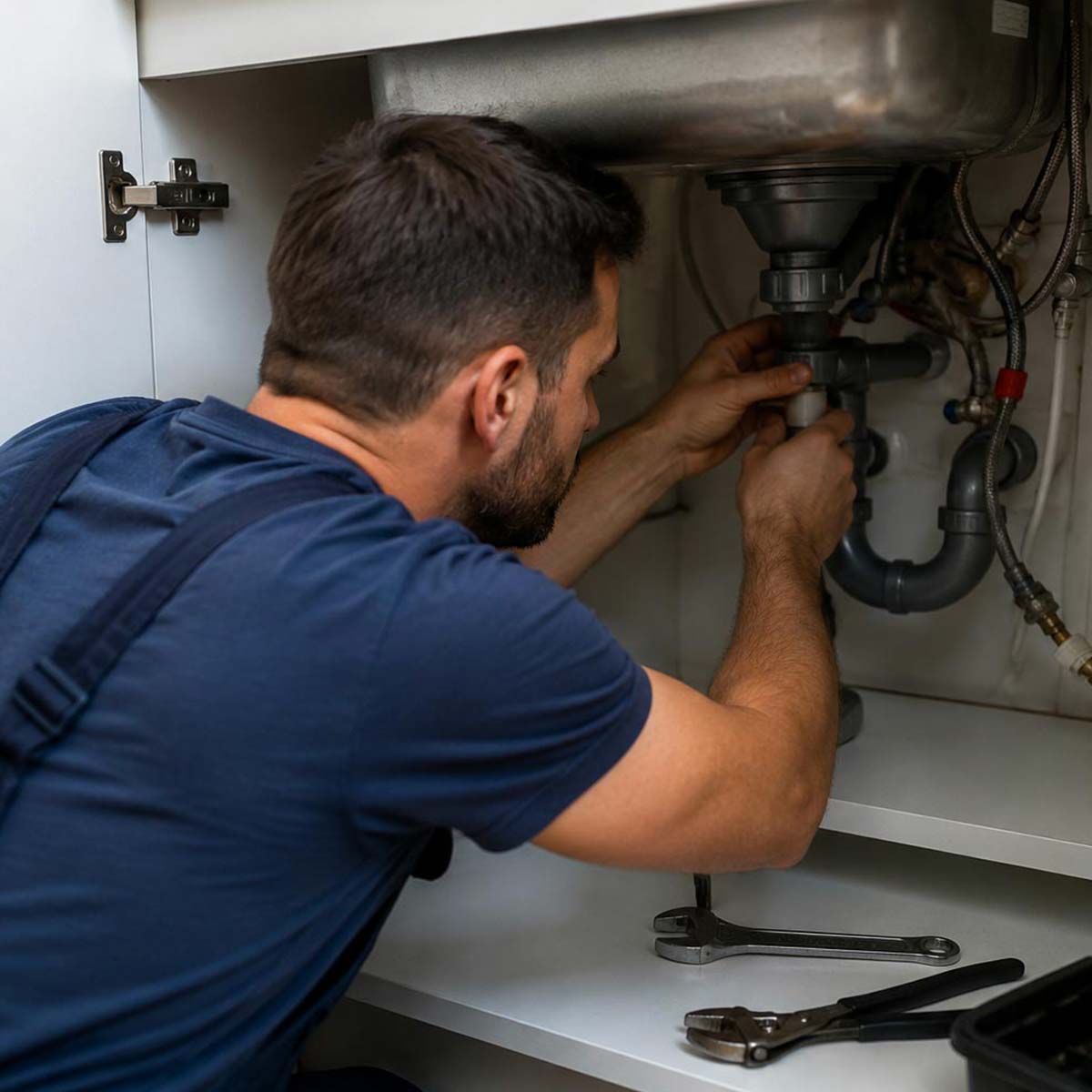
- Installation estimated at 200 EUR including VAT.
- Average maintenance budget of 100 EUR including VAT per year.
- Amortisation of the purchase and installation price over 2 years.
- Water rejection of approximately 0.5 L for every 1 L filtered, i.e., 1.5 L consumed for every 1 L drunk.
With these assumptions, the cost per litre of home-filtered water rapidly decreases, especially in households that consume several litres per day.
4. When does reverse osmosis become profitable?
In this scenario, reverse osmosis becomes more attractive than bottled water in less than 2 years. The more water a household consumes, the greater the difference in favour of the reverse osmosis system.
For a household of 2 to 5 people, potential savings can become significant, with monthly gains ranging from approximately 23 to 113 EUR per month depending on household composition and consumption habits.
Once the reverse osmosis system has paid for itself, profitability improves even further, as the main cost then becomes maintenance.
5. The benefits are not just financial
Beyond the price per litre, a reverse osmosis system also changes daily life:
- You avoid the logistics of buying, carrying, and storing water packs.
- You reduce your plastic consumption.
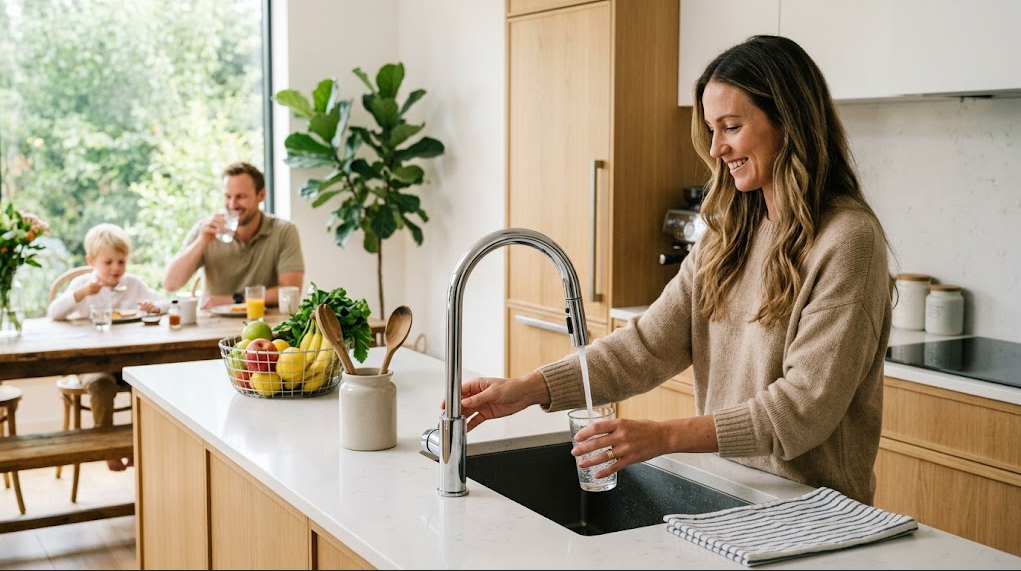
- You enjoy filtered water for drinking, cooking, and washing your food.
Conclusion
A reverse osmosis system requires an initial investment, but it can quickly become more advantageous than bottled water, while also offering greater daily convenience. For many households, it is a choice that is both practical, economical, and more sustainable.
The right trade-off then depends on your consumption, your initial budget, and the level of ease of maintenance you are looking for.
Would you like to compare AquaCycle models? Discover our reverse osmosis systems, use the configurator or contact us for simple guidance.